As an Amazon Associate I earn from qualifying purchases. If you follow a tagged link and buy something, Plate Evidence may earn a commission, at no extra cost to you. You do not need to buy anything to use this guide, or to read the investigations it points to. Read the affiliate disclosure.
How we pick, and how we do not
Think of a food label as a short legal document that happens to contain crisps. The front is the advertising. The back is the evidence. The snacks below earned a place because their current published ingredient lists are short enough to read in one breath — which makes allergens and additives easier to spot, not automatically safer for you.
The tools earned a place because they do a job that our films keep coming back to: reading 1.2 mm type, checking a serving size, seeing a date code on a tin, or taking a temperature instead of guessing. Manufacturer claims are quoted as claims. Where something you already own will do, we say so.
Recipes, specifications and stock change. If you buy, check the live listing and the pack in your hand.
Kitchen kit
- 01 · Temperature, not guesswork
Thermapen ONE, Midnight Blue, by ETI (paid link) — a probe thermometer. The manufacturer, Electronic Temperature Instruments, describes the Thermapen ONE as UK-made, with a stated accuracy of ±0.3°C, a one-second reading and an IP67 rating. We have not independently tested those figures, and we are not recommending a particular cooking temperature here. The reason it is on the list is the job: official food-safety advice is built on measured temperatures, not on a hopeful poke with a finger. A cheaper probe you already own can do the same job if it is accurate and clean. Check the current listing for stock and specification.
 02 · The 1.2 mm problem
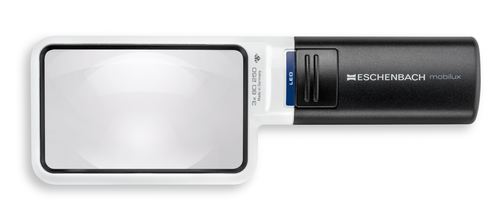
ESCHENBACH mobilux LED handheld magnifier, 3x, 90 × 54 mm (paid link) — a lit handheld magnifier from an established German optics maker. UK rules set a minimum x-height of 1.2 mm for mandatory food information (0.9 mm on the smallest packs). Batch codes can be smaller still. If you have ever turned a crisp bag under the kitchen light and still lost the wheat declaration, this is the tool for that job. We have not tested this model; reading glasses or a phone camera may be enough. Product photograph from the manufacturer.
 03 · Serving size, in grams
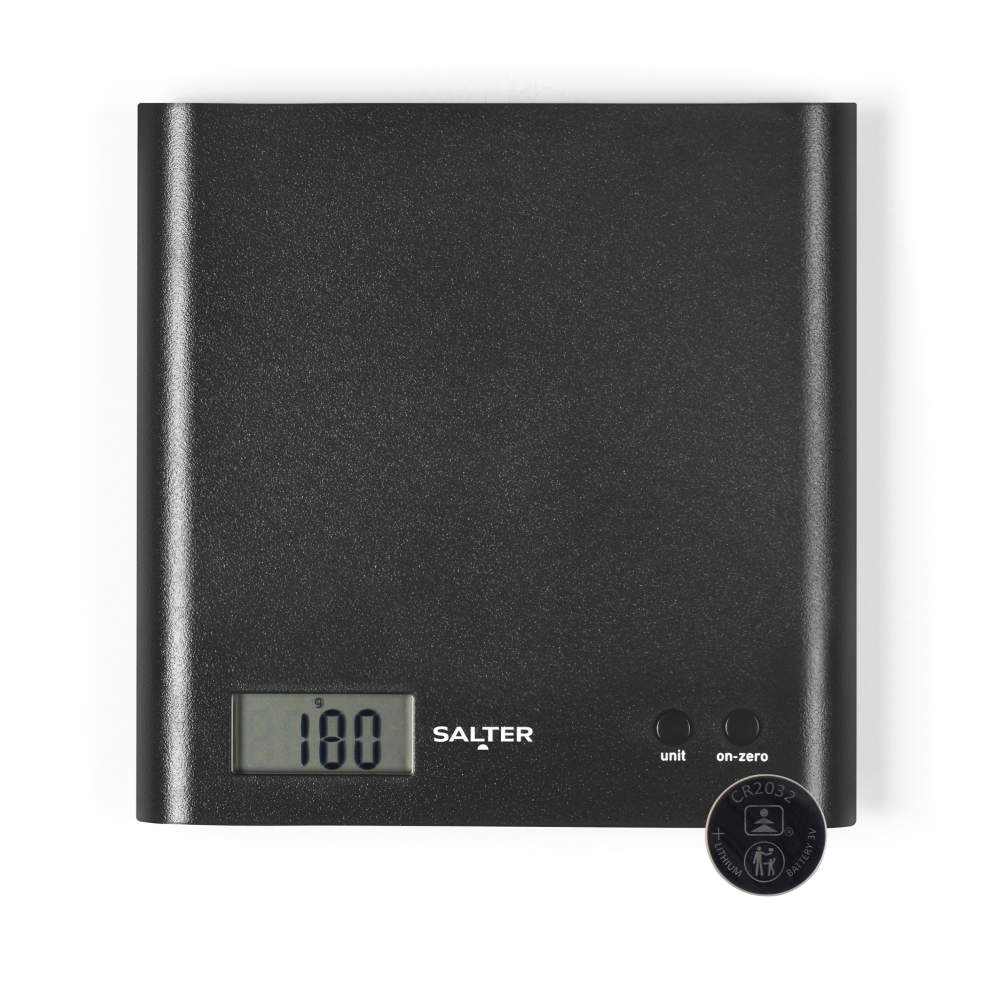
Salter Arc digital kitchen scale (paid link) — a straightforward digital scale. Nutrition claims and traffic-light numbers are often built on a stated serving that is smaller than the pack you actually eat. Weighing the serving is how you compare the claim with the plate. We already point to this model in our investigations on protein bars and warning labels for that reason. We have not independently tested it. A scale you already own is fine. Product photograph from the manufacturer.
- 04 · Dates you can actually see
Kitchen Details three-tier can organiser (paid link) — a simple rack that tilts canned food so the fronts are visible. Recall notices and best-before dates only help if you can see the tin. A week of official UK alerts in late October and early November 2026 turned on batch codes and dates, not just brand names (see our teaching pack on recalls). We have not tested this rack; a clear shelf and a habit of turning the tins label-out can do the same job. Check the current listing for size and stock.
Snacks with a short ingredients list
These are examples, not a snack league table. “Label-friendly” here means “easier to read”, not “free from allergens” or “a health food”. Always read the current pack, including any emphasis on allergens and any “may contain” line.
- 05 · Two ingredients, and they are both obvious
Nākd Cashew Cookie 35 g bars, pack of 18 (paid link) — the manufacturer’s published ingredients for this flavour are cashews (51%) and dates (49%). That is about as short as an ingredients list gets. It is also a nut product. Official allergen information includes: may contain soya, peanuts, other nuts, and pieces of shell or pit. This is the opposite of “allergen-free”. The reason it is here is that you can see the nuts in the list, not because it is suitable for everyone. Check the pack in your hand; recipes change.
- 06 · Three ingredients, plus a factory caveat
PROPER Lightly Sea Salted Popcorn, 24 × 20 g (paid link) — retailer and specification listings describe the ingredients as wholegrain corn (85%), rapeseed oil and sea salt, and note that it may contain milk because of the factory. Three ingredients is a short list; “may contain milk” still matters if milk is an allergen for you. We have not audited the factory. Read the bag you buy, not this paragraph, before you eat it.
- 07 · A named salt, and a short list
Pipers Anglesey Sea Salt crisps, 12 × 40 g (paid link) — retailer listings describe the ingredients as potatoes, sunflower oil and Anglesey Sea Salt PDO. That is a short savoury list, which makes it a useful contrast with flavour packets that run to a dozen seasonings. It is still a fried potato snack. Listings can lag behind a recipe change, so check the pack. This is not a verdict on every Pipers flavour — only on this one, as listed when we checked.
Two books for context
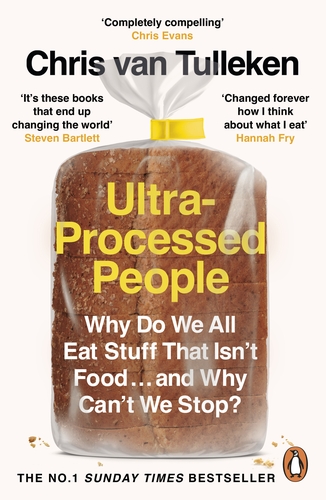 08 · The argument, between hard covers
Ultra-Processed People by Chris van Tulleken (Penguin paperback) (paid link) — a popular, readable argument about how industrial foods are designed and labelled. It is a book with a point of view, not a legal guide, and it is not a substitute for the primary papers we discuss in our warning-labels investigation. Read it as one author’s case and weigh the evidence yourself. Publisher image.
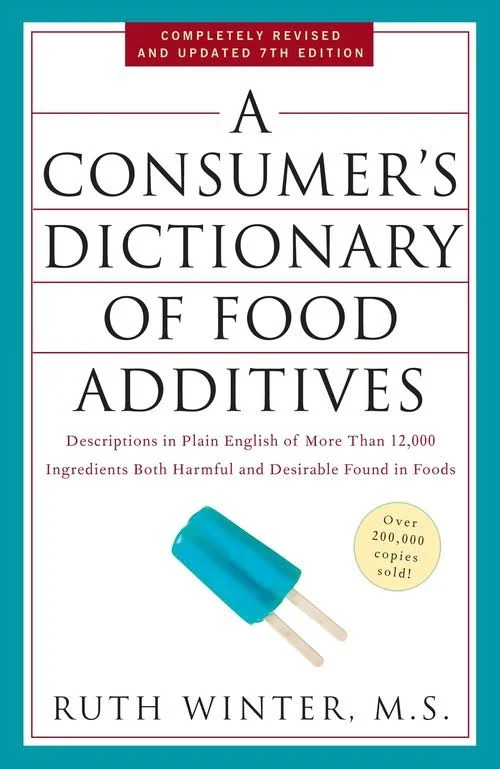 09 · A dated dictionary, still handy as a starting point
A Consumer’s Dictionary of Food Additives, 7th edition, by Ruth Winter (paid link) — a thick A-to-Z of additive names and E-numbers. The seventh edition was published in 2009, so some entries will be out of date; it is a starting point, not current UK or EU law. For legal status, go to the official texts and to investigations such as our Red 40 / Allura Red file. Publisher image.
Product photographs, where shown, are from the manufacturer or publisher. These are optional practical suggestions, not personalised nutrition, allergy or medical advice. Availability was checked on 9 November 2026; stock changes.
How these sit with the investigations
The magnifier is the same job as the 1.2 mm type on a meat-names crisp packet. The scale is the same job as a protein-bar serving size. The can rack is the same job as matching a recall notice to a batch code. None of the tools writes the conclusion for you.
If you want a printable, sourced walk through traffic lights, the 14 allergens, date marks and claims, see the Label Cheat Sheet (£4, buy it here). For a free weekly reading of official UK alerts, join Recall Watch.
Questions from the label desk
Do I need to buy any of this to follow Plate Evidence?
No. The investigations stand on their own. These are optional tools and examples. A torch, a pair of reading glasses or a mug you already own will often do the same job.
Are the snack picks “healthy” or allergen-free?
No. They are examples of packs with short, relatively easy-to-read ingredient lists. Short is not the same as suitable for everyone. Nākd bars contain nuts; Proper popcorn may contain milk because of the factory; recipes change. Always read the pack in your hand, including the allergen emphasis and any “may contain” line.
Have you tested the thermometer, magnifier, scale or can rack?
No. We have not independently laboratory-tested them. Reasons for listing them come from the job they are meant to do (reading 1.2 mm type, checking a serving size, keeping dates visible, checking a cooking temperature) and from the manufacturer’s stated specification, which you should re-check on the current listing.
Why are there no prices?
Prices on Amazon change. This guide does not invent them. If you follow a paid link, check the live listing for the current price, stock and specification. We last confirmed that these product pages loaded, and were not 404s, on 9 November 2026.
As an Amazon Associate I earn from qualifying purchases. Read our affiliate disclosure.